
Data Driven Marketing Without Cookies: First-Party Strategies

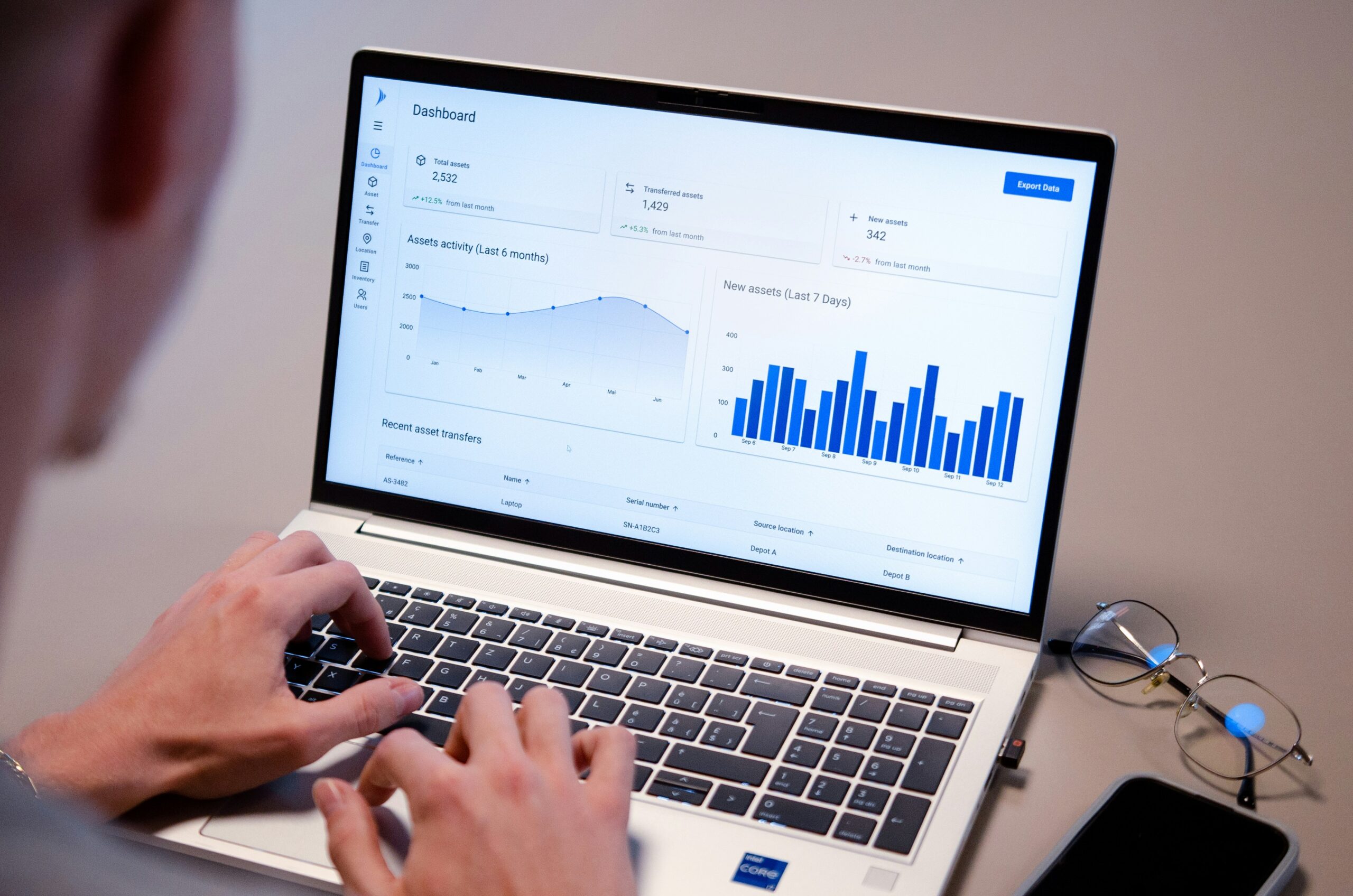
In the evolving landscape of digital advertising, Data Driven marketing is facing a major shift. The decline of third-party cookies has pushed marketers to rethink how they collect, analyze, and use customer data. While third-party cookies have long been a staple for tracking user behavior across sites, privacy regulations and browser restrictions are rendering them obsolete. Today, marketers need to rely on first-party data tactics to maintain personalized, effective campaigns while building customer trust.
Table of Contents
The Shift from Third-Party Cookies to First-Party Data
Third-party cookies allowed brands to track users across multiple websites, offering insights into preferences, demographics, and buying behavior. However, concerns over privacy and data security have prompted major browsers like Safari and Firefox to block these cookies, and Google has announced plans to phase them out on Chrome. This blog is a part of our service Lead generation.
This transition is creating both challenges and opportunities for marketers. Without third-party cookies, generic advertising will no longer be enough. The focus is shifting to Data Driven marketing strategies that leverage first-party data—information collected directly from customers through owned channels such as websites, apps, and email subscriptions.
Why First-Party Data Matters
First-party data is inherently more reliable and accurate because it comes directly from customer interactions. It includes information such as:
-
-
Customer email addresses and preferences
-
Purchase history and browsing behavior on your website
-
Engagement metrics from newsletters or mobile apps
-
By using this data, brands can deliver highly personalized experiences, improve customer engagement, and measure campaign effectiveness more accurately. Moreover, relying on first-party data ensures compliance with data privacy regulations like GDPR and CCPA.
Consent Management: The Cornerstone of Ethical Data Collection
One of the most crucial aspects of Data Driven marketing in a cookie-less world is consent management. Collecting customer data without explicit permission is not only unethical but can also lead to hefty regulatory fines. Consent management involves:
-
-
Informing users about the types of data being collected
-
Clearly explaining how the data will be used
-
Giving users the ability to opt in or opt out of tracking
-
Implementing a robust consent management platform (CMP) allows marketers to collect first-party data responsibly. It also signals to customers that your brand respects their privacy, which can strengthen loyalty and trust.
Best Practices for Consent Management
-
-
Transparency is key: Use clear and simple language in consent forms. Avoid legal jargon that might confuse users.
-
Granular choices: Allow users to select which types of data they are comfortable sharing rather than forcing a blanket “accept all” option.
-
Easy opt-out options: Make it simple for customers to withdraw consent at any time.
-
By adhering to these practices, brands can collect high-quality first-party data while maintaining positive customer relationships.
Customer Trust Signals: Enhancing Engagement and Data Collection
Beyond consent management, another critical tactic in Data Driven marketing is leveraging customer trust signals. Trust signals are cues that demonstrate your brand’s commitment to privacy, security, and transparency. These signals can significantly impact user behavior and data sharing. Examples include:
-
-
Privacy badges: Displaying certifications like TRUSTe or GDPR compliance logos on your website.
-
Secure transactions: Ensuring checkout pages and payment gateways are encrypted and clearly marked.
-
Transparent data policies: Making privacy policies easy to read and accessible.
-
When customers trust a brand, they are more likely to share personal information willingly. This creates a virtuous cycle where first-party data collection becomes more effective, leading to better-targeted campaigns and higher conversion rates.
Leveraging First-Party Data for Personalized Marketing
With consent management and trust signals in place, brands can use first-party data to power highly personalized campaigns. Personalization can take many forms, including:
-
-
Customized email campaigns based on purchase history
-
Personalized product recommendations on websites and apps
-
Tailored content that matches user interests and engagement patterns
-
Personalization not only improves user experience but also enhances the effectiveness of Data Driven marketing strategies. Studies show that consumers are more likely to engage with brands that provide relevant content, leading to increased sales and long-term loyalty.
Measuring Success Without Third-Party Cookies
Even without third-party cookies, marketers can still measure campaign success using first-party data. Key metrics include:
-
-
Customer lifetime value (CLV)
-
Conversion rates from personalized campaigns
-
Engagement metrics such as click-through rates, time on site, and repeat visits
-
By tracking these metrics, brands can continuously optimize their marketing efforts and ensure that Data Driven marketing remains effective in a privacy-first digital ecosystem.
