
The Rise of AI Managers: How to Work for (and With) an Algorithmic Boss

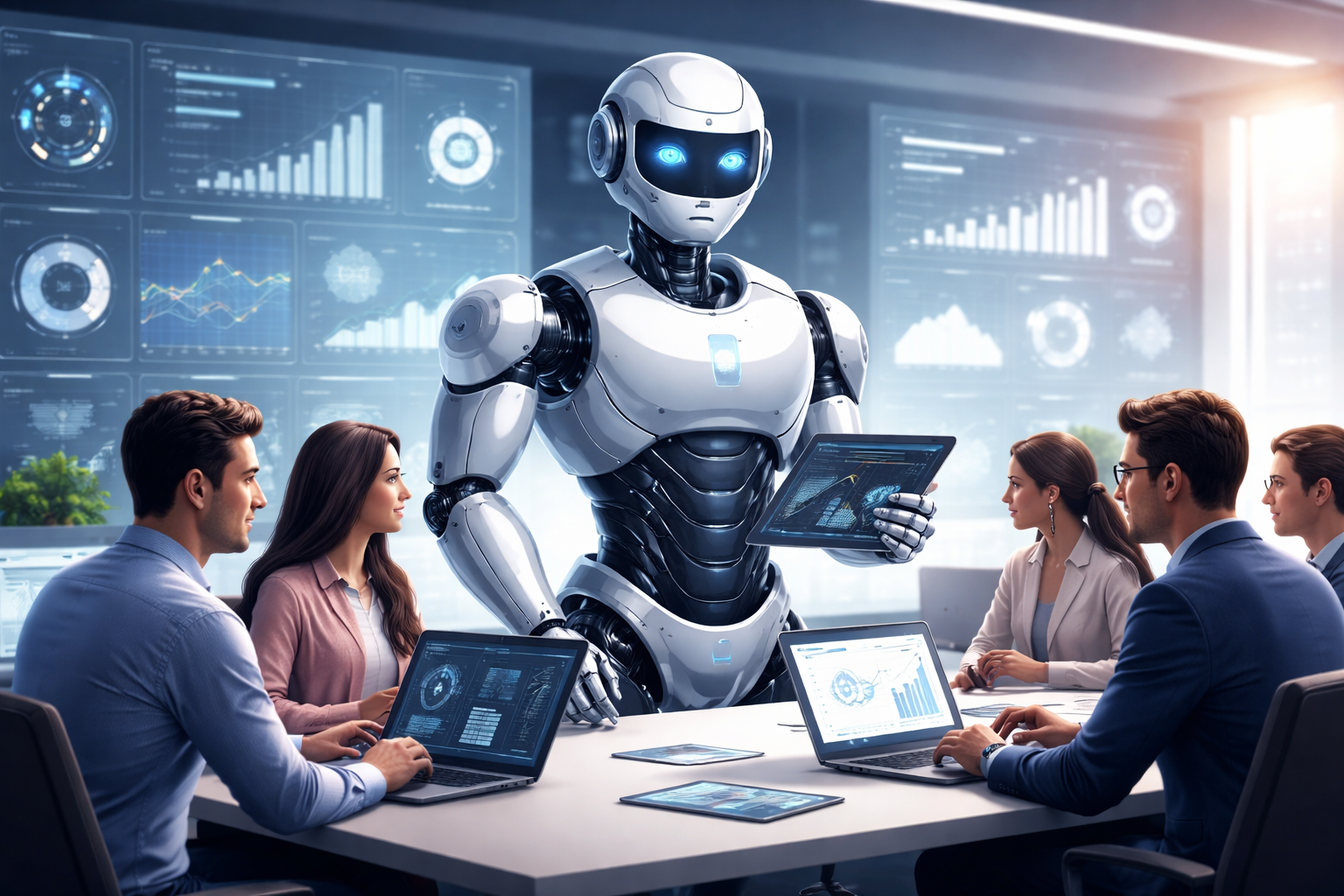
Artificial intelligence is rapidly transforming workplaces around the world. From automated scheduling to performance tracking, organizations are increasingly using algorithms to manage tasks and teams. One of the most fascinating developments in this shift is the emergence of AI Managers—systems designed to supervise, guide, and evaluate employees using data and machine learning.
While this idea once seemed like science fiction, many companies already rely on algorithmic systems to assign work, measure productivity, and support decision-making. Understanding how AI Managers operate is becoming essential for professionals who want to succeed in modern digital workplaces.
Table of Contents
What Are AI Managers?
AI Managers are software systems powered by artificial intelligence that perform management functions traditionally handled by human supervisors. These systems analyze data, monitor workflows, and provide recommendations or decisions related to productivity, scheduling, and employee performance.
For example, in logistics companies and delivery platforms, algorithms automatically assign routes, evaluate driver efficiency, and adjust schedules based on demand. In customer support environments, AI systems can monitor call quality, measure response times, and provide feedback to employees.
The goal of AI Managers is not always to replace human managers completely but to support them by processing large volumes of data quickly and accurately.
Why Companies Are Adopting AI Managers
Several factors are driving organizations to implement AI Managers in their operations.
Data-Driven Decisions
Traditional management often relies on experience and intuition. However, AI systems can analyze vast datasets and identify patterns that humans might miss. This helps companies make faster and more informed decisions.
Improved Efficiency
Automation allows businesses to streamline operations. AI Managers can assign tasks instantly, track performance metrics in real time, and reduce administrative workloads.
Scalability
As companies grow, managing large teams becomes complex. AI systems can handle thousands of data points simultaneously, making it easier for organizations to scale their operations without increasing management costs significantly.
Consistency
Algorithms apply rules consistently across teams. This reduces bias in scheduling, evaluations, and performance tracking, although concerns about algorithmic fairness still exist.
Industries Already Using AI Managers
Many industries have started integrating AI Managers into their workflows.
Logistics and Delivery
Ride-sharing and delivery platforms often rely on algorithms to assign jobs, track driver performance, and optimize routes.
Customer Service
AI tools monitor call centers, evaluate customer interactions, and generate performance reports.
Retail and Warehousing
Large warehouses use AI systems to assign picking tasks, monitor productivity, and predict inventory needs.
Software Development
Some project management platforms now use AI to assign tasks, predict project timelines, and monitor team performance.
As adoption increases, AI Managers are likely to become common across multiple sectors.
Challenges of Working With AI Managers
Although these systems offer advantages, they also present challenges for employees.
Lack of Human Judgment
Human managers can consider emotions, personal circumstances, and workplace dynamics. Algorithms, however, rely strictly on data, which may lead to decisions that feel impersonal.
Transparency Concerns
Employees sometimes struggle to understand how algorithmic decisions are made. If workers cannot see how performance is evaluated, trust in AI Managers may decrease.
Over-Monitoring
Some AI systems track productivity closely, measuring everything from keystrokes to response times. While this can improve efficiency, it may also create stress among employees.
Understanding these challenges helps workers adapt and interact more effectively with algorithm-driven systems.
Research highlighted by MIT Technology Review explains that algorithmic management systems are becoming more common in modern workplaces, raising important discussions about transparency, employee trust, and data-driven decision making.
How Employees Can Work Successfully With AI Managers
Professionals who learn to collaborate with AI tools will have a strong advantage in the modern workplace.
Understand the Metrics
AI systems evaluate employees based on measurable data such as response times, task completion rates, and customer feedback. Knowing which metrics matter most helps employees improve their performance.
Focus on Data Accuracy
Because AI Managers rely on data, accurate reporting becomes extremely important. Keeping records updated and ensuring information is correct helps algorithms generate better insights.
Develop Human Skills
While AI can manage workflows efficiently, human abilities such as creativity, empathy, communication, and strategic thinking remain valuable. These skills help professionals complement AI-driven systems.
Stay Technologically Curious
Employees who understand how algorithms and automation tools work can adapt more quickly. Learning about artificial intelligence and workplace technology will become increasingly beneficial.
If you want to explore more about artificial intelligence and workplace trends, resources from organizations like
The Future of AI Managers
The role of AI Managers will likely expand as artificial intelligence continues to improve. In the future, these systems may become more sophisticated, offering predictive insights about team performance, employee wellbeing, and project outcomes.
However, experts believe the most effective workplaces will combine algorithmic tools with human leadership. Human managers provide emotional intelligence, mentorship, and ethical oversight, while AI systems offer speed, data analysis, and automation.
This hybrid approach allows organizations to benefit from both technology and human judgment.
Preparing for an Algorithm-Driven Workplace
As digital transformation accelerates, professionals must prepare for workplaces where algorithms play a larger role in management. Understanding how AI Managers operate can help employees navigate this change confidently.
Rather than seeing AI as a threat, workers can view it as a powerful tool that supports productivity and innovation. Those who learn to collaborate with technology will be better positioned for success in the evolving job market.
In the coming years, the partnership between humans and intelligent systems will shape the future of work. By developing technical awareness, strengthening human skills, and adapting to data-driven environments, professionals can thrive even when their boss might be an algorithm

Chinnu Sunny
Chinnu Sunny is an Wordpress Web Designer at Upgraderz