
Learning in Public: Why Personal Learning Feeds Are Replacing Traditional Portfolios

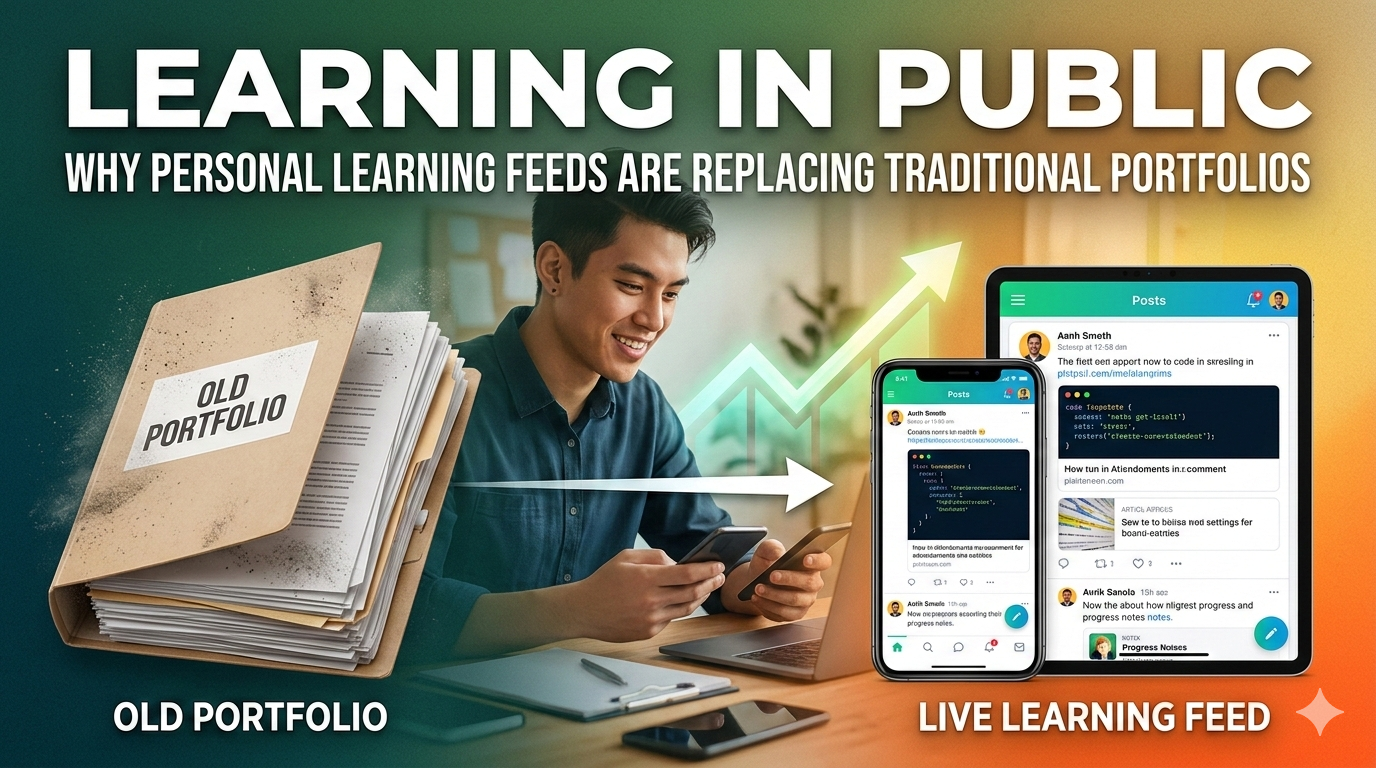
In today’s fast-changing digital world, professionals are constantly looking for better ways to showcase their skills and growth. For many years, traditional portfolios were the standard way to display work experience, projects, and achievements. Designers, developers, writers, and marketers used portfolios to present their best work to employers and clients.
However, a new trend is changing how people demonstrate their expertise online. Instead of only showing completed work, many professionals now prefer Learning in Public. This approach focuses on sharing the entire learning journey, including progress, experiments, failures, and insights.
Platforms like social media, blogs, and professional networks allow individuals to document their learning process openly. As a result, Learning in Public is becoming a powerful alternative to traditional portfolios. Employers today value not only finished results but also the ability to learn, adapt, and grow continuously.
This shift has transformed how professionals build their personal brands and connect with opportunities.This blog is a part of our Service Lead Generation.
Table of Contents
What is a Personal Learning Portfolio
A personal learning portfolio is a digital space where individuals share their learning progress, projects, and experiences over time. Unlike traditional portfolios that highlight only final achievements, a personal learning portfolio documents the journey of skill development.
This approach is closely related to the concept of Learning in Public, where individuals openly share what they are studying, building, or experimenting with. It may include blog posts, social media updates, tutorials, code snippets, design drafts, or reflections on new skills.
For example, a web designer might post screenshots of their design experiments, explain challenges they faced, and describe how they solved them. A programmer might share coding challenges and explain their solutions step by step.
By practicing Learning in Public, professionals create a dynamic record of growth that shows curiosity, dedication, and continuous improvement. This type of portfolio is often more engaging and authentic than traditional static portfolios.
Why Traditional Portfolios Are Changing
Traditional portfolios still have value, but they have several limitations. Most portfolios only showcase polished final projects, leaving out the process behind them. Employers and clients cannot always see how a person thinks, solves problems, or learns new skills. According to insights shared on Harvard Business Review, modern workplaces increasingly value adaptability and continuous learning rather than only final outcomes.
Another limitation is that traditional portfolios are usually updated only occasionally. Professionals might update them once every few months or after completing major projects. Learning platforms and professional development resources such as Coursera highlight the importance of continuous skill development and documentation of progress.
In contrast, Learning in Public encourages consistent sharing of progress and insights. This makes a professional’s journey more transparent and relatable. Recruiters and collaborators can see how someone approaches challenges and improves their abilities over time. Educational communities like MIT OpenCourseWare also promote open knowledge sharing, which aligns with the idea of documenting learning openly.
Benefits of Learning in Public
Builds a Strong Personal Brand
One of the biggest advantages of Learning in Public is that it helps individuals build a strong personal brand. When professionals consistently share insights, tutorials, or progress updates, they become visible to a wider audience.
Over time, people begin to recognize their expertise and dedication to learning.
Creates Networking Opportunities
When you share your learning journey online, others with similar interests can discover your work. This often leads to conversations, collaborations, and mentorship opportunities.
Professionals who practice Learning in Public frequently build meaningful connections within their industries.
Demonstrates Real Skills
Employers often want to see proof of skills, not just claims on a resume. A learning feed filled with experiments, solutions, and reflections provides real evidence of knowledge and problem-solving ability.
Through Learning in Public, professionals can demonstrate how they approach challenges and improve their skills step by step.
Encourages Continuous Learning
Sharing progress publicly creates a sense of accountability. When people document their learning journey, they are more likely to stay consistent and motivated.
This habit of Learning in Public helps professionals remain updated with new trends, tools, and technologies.
Platforms Used for Personal Learning Feeds
Several platforms allow professionals to share their learning journey effectively.
Blogs are one of the most powerful platforms because they allow detailed explanations, tutorials, and case studies. Social media platforms like LinkedIn, Twitter, or community forums are also widely used for shorter updates and insights.
Some people combine multiple platforms to build their Learning in Public presence. For example, they may write detailed blog posts while sharing quick updates or project screenshots on social media.
These learning feeds gradually become living portfolios that reflect real growth and creativity.
How to Start Learning in Public
Starting Learning in Public does not require advanced skills or large audiences. Anyone can begin by sharing small insights and experiences.
Here are a few simple steps:
Share what you are learning.
Write about new tools, concepts, or techniques you are studying.
Document your projects.
Explain your process, challenges, and solutions while working on projects.
Be honest about mistakes.
Failures and lessons learned are valuable parts of the learning journey.
Stay consistent.
Regular updates help create a meaningful record of growth.
By following these steps, professionals can gradually build a learning portfolio that reflects their expertise and dedication.
The Future of Professional Portfolios
As industries continue to evolve rapidly, employers increasingly value professionals who can learn quickly and adapt to change. Static portfolios that show only finished work may not fully represent a person’s capabilities.
The rise of Learning in Public reflects a shift toward transparency, collaboration, and continuous improvement. Professionals who share their learning journeys openly often gain trust, credibility, and visibility.
In the future, personal learning feeds may become the standard way professionals demonstrate their skills. Instead of simply showing what they have already achieved, individuals will showcase how they learn, experiment, and grow over time.
Traditional portfolios will always have a place in professional development, but they are no longer the only way to showcase skills and achievements. The growing popularity of Learning in Public highlights a new approach where transparency and continuous learning matter more than polished presentations alone.
By documenting progress, sharing insights, and engaging with communities, professionals can build dynamic portfolios that truly reflect their abilities. As more people adopt Learning in Public, personal learning feeds are quickly becoming a powerful tool for career growth, networking, and professional visibility in the digital age.

Rinu Ann George
Rinu Ann George is an SEO Analyst at Upgraderz, specializing in search engine optimization, content strategy, and digital visibility.