
Limited Offer Psychology: Why It Still Works in 2026

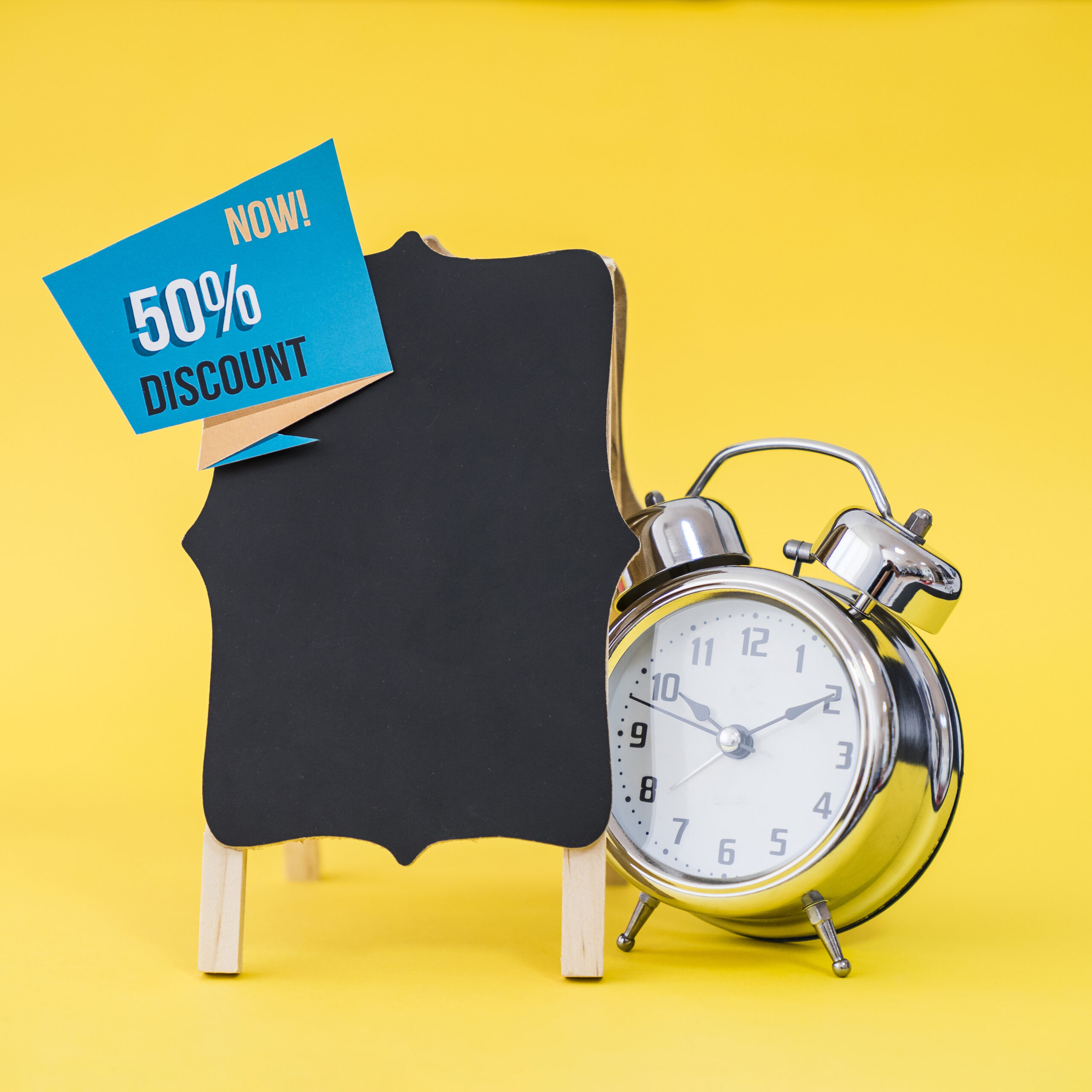
In today’s fast-paced digital marketplace, attention spans are shrinking while competition is growing. Yet one strategy continues to dominate conversions—Limited Offer Psychology. From eCommerce flash sales to SaaS trials, brands still rely on urgency and scarcity to drive action.
If you’re exploring advanced digital strategies, services like Upgraderz digital solutions can help businesses implement high-converting campaigns using proven psychological triggers.
Understanding how consumers think is crucial, and insights from the American Psychological Association provide valuable knowledge on behavioral science that powers modern marketing strategies.
But why does this tactic still work so effectively in 2026? Let’s break it down.
Table of Contents
What is Limited Offer Psychology

Limited Offer Psychology refers to the use of scarcity and urgency to influence consumer decisions. Marketers create the perception that a product or offer is available only for a short time or in limited quantity.
This taps into a fundamental human behavior: we value things more when they seem scarce. Research published on ScienceDirect highlights how scarcity increases perceived value and purchase intent.
In simple terms, when something feels rare, it feels more valuable.
Why Limited Offers Still Work in 2026
Fear of Missing Out (FOMO) Drives Instant Action
One of the biggest reasons Limited Offer Psychology works is FOMO. When customers see “Only 3 left” or “Offer ends tonight,” they feel a sense of urgency.
Behavioral research available through Taylor & Francis Online shows that urgency messaging significantly boosts impulse buying.
This emotional push often overrides logical thinking, leading to faster decisions.
Scarcity Increases Perceived Value
Scarcity doesn’t just create urgency—it increases desirability. When a product is limited, people assume it’s more valuable or exclusive.
Studies found on ScienceDirect confirm that limited availability increases demand and perceived worth.
That’s why limited-edition products and exclusive deals often sell out quickly.
Competitive Urge Among Buyers
Humans are naturally competitive. When an offer is limited, it creates a sense of competition among buyers.
Insights shared on ResearchGate explain how “competitive arousal” pushes consumers to act faster in limited-time scenarios.
This is why countdown timers and “people are viewing this now” messages are so effective.
Reduces Decision-Making Time
In 2026, consumers are overwhelmed with choices. Limited Offer Psychology simplifies decisions by adding urgency.
Instead of comparing multiple options, customers are pushed to act immediately. This reduces hesitation and boosts conversion rates.
For deeper understanding of decision-making behavior, platforms like Behavioral Economics provide valuable insights into consumer thinking patterns.
Works Perfectly with Digital Marketing Trends
Modern marketing tools amplify the power of Limited Offer Psychology:
-
- Countdown timers
- Flash sales
- Limited stock alerts
- Early-bird offers
These tactics are seamlessly integrated into websites, apps, and ads, making urgency more visible than ever.
How Brands Use Limited Offer Psychology in 2026
Flash Sales & Countdown Timers
Short-term deals create urgency and increase conversions instantly.
Limited Quantity Messaging
“Only 5 left in stock” taps into scarcity and triggers quick decisions.
Exclusive Access
Members-only deals make customers feel special and valued.
Seasonal Campaigns
Festive or event-based offers leverage time sensitivity effectively.
The Science Behind It
The effectiveness of Limited Offer Psychology is deeply rooted in behavioral science. One of the key drivers is loss aversion, where people tend to fear missing out on an opportunity more than they value gaining a benefit. This makes limited-time deals feel more urgent and valuable. Additionally, cognitive bias plays a major role, as scarcity acts as a mental shortcut that helps consumers make quicker decisions without overanalyzing. On top of that, emotional triggers such as urgency stimulate impulsive behavior, pushing customers to act immediately rather than delay their purchase. Research and academic discussions from SAGE Journals further support how scarcity and urgency significantly influence consumer behavior at a psychological level.
Does It Still Work in 2026? Yes—But With a Twist

Rinu Ann George
Rinu Ann George is an SEO Analyst at Upgraderz, specializing in search engine optimization, content strategy, and digital visibility.