
Super Bowl LX Lessons: Why Brands Are Going Digital-First

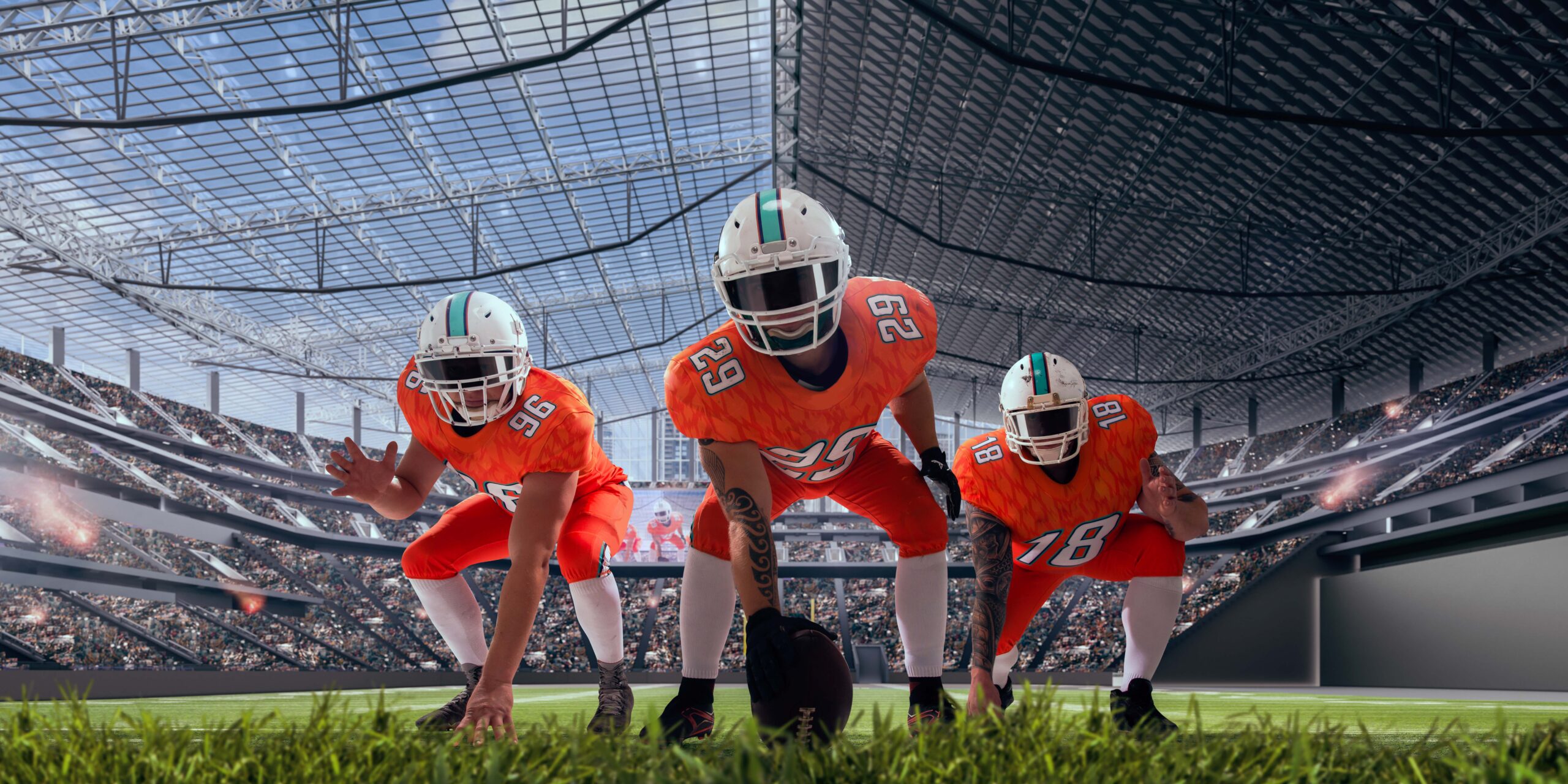
The “big game” isn’t just about touchdowns — it’s become a strategic proving ground for modern marketing. This year’s Super Bowl LX Lessons reveal a critical shift in how global brands approach massive cultural moments. While traditional TV ads still command eyeballs and headlines, a clear trend is emerging: brands are choosing digital-first activations, experiences, and data-driven engagement over costly broadcast spots. This shift holds a powerful lesson not just for the NFL’s marquee event, but for future mega-sports moments like the FIFA World Cup 2026. This blog is a part of our Service Google Ads and PPC.
Table of Contents
A Shift in the Marketing Playbook
Historically, the Super Bowl has been the pinnacle of brand advertising. A 30-second broadcast commercial can cost up to $10 million — and major advertisers still pay that premium to reach an audience often exceeding 120 million viewers.
However, the rising costs and changing consumer habits have pushed savvy marketers to rethink where and how they invest. One of the biggest Super Bowl LX Lessons comes from Nike: despite previously dominating Super Bowl advertising, the sportswear giant opted out of a traditional TV spot for the 2026 game. Instead, Nike is reallocating part of its budget toward digital initiatives and other sports assets with clearer performance outcomes.
Nike’s decision isn’t a withdrawal from cultural relevance — it’s a strategic shift toward digital, targeted, and performance-driven marketing. It underscores an important lesson: reach alone is no longer enough; brands need depth of engagement and measurable impact.
Lessons from the Super Bowl Field
Digital Engagement Beats Broadcast Alone
So what exactly are marketers learning from Super Bowl LX?
Digital First Isn’t Optional — It’s Essential
Even when brands do run Super Bowl ads, they pair them with robust digital strategies. Campaigns now roll out across social media, streaming platforms, and interactive formats before, during, and after the broadcast. These digital layers help brands extend reach, create shareable moments, and gather valuable first-party data — something a singular TV placement simply can’t match.
Some brands are even embracing real-time engagement tools, like platform-wide sentiment tracking to analyze ad performance beyond traditional metrics.
Experiences Create Stronger Consumer Bonds Than Ads Ever Could
High TV spend might deliver views, but in-person and experiential touchpoints deliver relationships. At Super Bowl LX, many brands prioritized on-site pop-ups, fan events, and immersive experiences that let consumers interact directly with the brand in memorable ways.
This approach taps into the modern consumer’s desire for authenticity and shared moments — something passive ad viewing doesn’t offer.
Relevance Over Reach Wins in a Fragmented Landscape
The media landscape is no longer dominated by singular broadcast events. Streaming, social platforms, second-screen engagement, and real-time conversation all compete for attention. Brands that leverage these channels smartly can outshine those that rely solely on legacy formats.
For example, user conversation tools track brand mentions and engagement live during the game, giving marketers insights faster than ever.
What This Means for World Cup 2026
The Super Bowl LX Lessons are not confined to the gridiron — they’re applicable to every major sporting moment, especially the FIFA World Cup 2026.
The World Cup will be the most expansive edition yet: 48 teams, 104 matches, and billions of global viewers. That presents both enormous opportunity and added complexity for brands. World Cup sponsors and marketers are already laying the groundwork with global campaigns — but many are applying the digital-first playbook shaped by Super Bowl LX Lessons. These Super Bowl LX Lessons have shown that integrated digital engagement, data-driven targeting, and multi-platform storytelling deliver stronger returns than traditional broadcast-only strategies, making them central to World Cup 2026 preparations.
Fan Emotion Drives Connection
A prime example comes from Coca-Cola, which has launched a multi-phase World Cup campaign rooted in fan emotion and shared experience. Their global push includes anthemic music collaborations, digital storytelling, and immersive activations such as a global trophy tour and collectible sticker partnerships.
What makes this approach powerful is that it goes beyond mere visibility; it’s about creating shared cultural moments that fans emotionally invest in — a key lesson all marketers can borrow from Super Bowl LX Lessons.
Dynamic Global Activations Trump Static Placements
Brands like Visa, Kia, and Hyundai are also crafting tailored World Cup activations that work across digital and real-world environments, maximizing interaction at fan zones, second-screen platforms, and social channels — a nod to the collective marketing intelligence learned from Super Bowl campaigns.
Digital and Social Integration Are Core, Not Complementary
World Cup activations increasingly emphasize social media engagement, interactive campaigns, and data-driven targeting — a strategic evolution inspired by Super Bowl LX Lessons. Whether it’s limited-edition NFTs, viral social challenges, or localized fan experiences, digital channels are now at the heart of global sports marketing efforts. These Super Bowl LX Lessons demonstrate that modern audiences expect participation, personalization, and real-time interaction, echoing the broader digital-first shift seen during Super Bowl LX.
Key Takeaways: Super Bowl LX Lessons for Every Brand
Whether your audience is cheering at a World Cup final or tuning in to the Super Bowl, here are the major Lessons from the Super Bowl field that every marketer should take to heart:
-
-
Don’t just advertise — engage. Digital engagements drive measurable impact far beyond broadcast visibility.
-
Build experiences, not impressions. Real-world and digital moments forge deeper brand affinity.
-
Measure what matters. Track conversations, sentiment, and conversion — not just reach.
-
Think global, act local. World Cup audiences are diverse; localized activations resonate wider.
-
In essence, the brands that embrace digital-first strategies, hybrid engagement models, and culturally relevant storytelling will be best positioned to win both today’s big game and tomorrow’s global stages.

Rinu Ann George
Rinu Ann George is an SEO Analyst at Upgraderz, specializing in search engine optimization, content strategy, and digital visibility.