
AI for Small Business Marketing: How to Reduce Marketing Costs Effectively

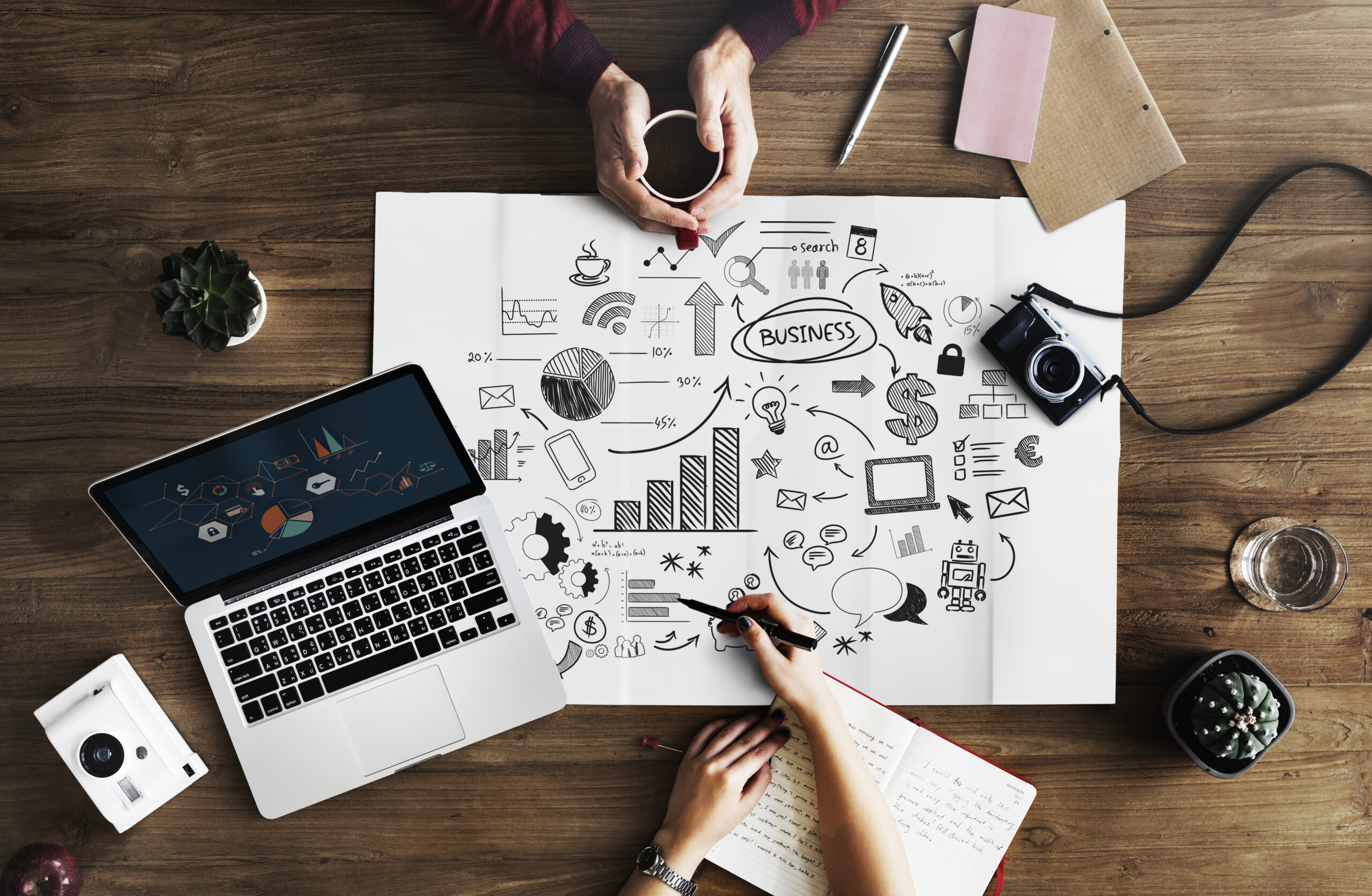
Marketing is essential for every small business, but rising advertising costs, increased competition, and changing digital trends make it harder to achieve strong results on a limited budget. Many small businesses struggle to balance visibility with affordability. That’s where AI for Small Business Marketing becomes a game-changer.
Artificial Intelligence is no longer a luxury reserved for large corporations. Today, affordable AI tools help small businesses automate campaigns, analyze customer data, personalize content, and optimize ad spending — all while reducing operational costs. When implemented strategically, AI can deliver better results with fewer resources.
In this blog, we’ll explore small business marketing fundamentals, how AI fits into the picture, and practical ways to reduce marketing costs effectively.This blog is a part of our Service Lead Generation.
Table of Contents
Understanding Small Business Marketing
Small business marketing focuses on promoting products or services with limited budgets and smaller teams. Unlike large corporations, small businesses often rely on:
-
-
Social media marketing
-
Email campaigns
-
Local SEO
-
Content marketing
-
Paid digital ads with tight budgets
-
Word-of-mouth and referrals
-
Organizations such as the U.S. Small Business Administration provide guidance on small business marketing strategies that emphasize planning, budgeting, and targeting the right audience.
However, traditional marketing often involves guesswork — broad targeting, generic emails, and trial-and-error advertising. This results in wasted spending and low returns.
This is exactly why AI for Small Business Marketing is becoming essential.
What is AI for Small Business Marketing?
AI for Small Business Marketing refers to using artificial intelligence tools and automation platforms to plan, execute, and optimize marketing strategies more efficiently.
AI can:
-
-
Analyze customer behavior
-
Predict buying patterns
-
Automate repetitive tasks
-
Optimize advertising spend
-
Personalize customer communication
-
Improve conversion rates
-
Research on AI-driven business transformation from McKinsey explains how AI enhances productivity while lowering operational expenses — making it especially valuable for small businesses.
Instead of hiring large teams, small companies can now leverage AI tools for smarter decision-making.
How to Use AI for Small Business Marketing
Let’s break down practical ways to implement AI effectively.
AI-Powered Content Creation
Content marketing is powerful but time-consuming. AI writing tools can help generate:
-
-
Blog posts
-
Social media captions
-
Email newsletters
-
Product descriptions
-
Ad copy
-
This reduces content production costs while maintaining consistency. However, human editing is still important for authenticity and brand voice.
Using AI for Small Business Marketing in content creation saves hours of manual effort.
Smart Customer Targeting
AI tools analyze user behavior, purchase history, browsing habits, and engagement patterns. This helps businesses:
-
-
Identify high-value customers
-
Create detailed customer segments
-
Deliver personalized offers
-
Instead of showing ads to everyone, AI ensures your marketing reaches the right audience — reducing wasted ad spend.
Automated Email Marketing
Email marketing delivers one of the highest returns on investment. AI enhances it by:
-
-
Sending emails at optimal times
-
Personalizing subject lines
-
Recommending products based on behavior
-
Automatically following up with abandoned cart reminders
-
Automation reduces manual workload while increasing conversions — a core benefit of AI for Small Business Marketing.
Chatbots for Customer Support
Hiring full-time customer support staff can be expensive. AI chatbots can:
-
-
Answer common questions
-
Handle order tracking
-
Collect customer information
-
Guide users through purchases
-
This reduces staffing costs while improving customer experience.
Predictive Analytics for Better Decisions
AI doesn’t just analyze past data — it predicts future outcomes.
It can forecast:
-
-
Sales trends
-
Seasonal demand
-
Campaign performance
-
Customer churn
-
By predicting results before spending heavily, businesses can allocate budgets wisely. This predictive power makes AI for Small Business Marketing highly cost-efficient.
Social Media Optimization
AI tools analyze engagement data to determine:
-
-
Best posting times
-
Best-performing content types
-
Audience behavior patterns
-
Instead of guessing what works, AI helps refine your strategy for maximum impact with minimal budget.
How to Reduce Marketing Costs Effectively Using AI
Now let’s focus directly on cost reduction.
Reduce Ad Waste
AI-powered ad platforms automatically adjust:
-
-
Bidding strategies
-
Target audience segments
-
Ad placements
-
Budget allocation
-
This ensures money is spent only on ads that perform well.
Eliminate Manual Tasks
Repetitive tasks such as scheduling posts, sending emails, and tracking analytics consume time and labor costs. Automation tools handle these tasks instantly.
Less manpower needed = lower operational expenses.
Improve Conversion Rates
Higher conversion rates mean you need less traffic to generate revenue.
AI improves:
-
-
Landing page optimization
-
Personalized recommendations
-
Retargeting campaigns
-
Customer journey mapping
-
Better conversions reduce the need for expensive traffic acquisition.
Data-Driven Budget Allocation
Many small businesses waste money because they don’t know which channel performs best.
AI dashboards show:
-
-
Which campaign generates sales
-
Which platform delivers highest ROI
-
Which customer segment converts more
-
This allows smarter spending decisions.
Scalable Growth Without Hiring
One of the biggest advantages of AI for Small Business Marketing is scalability.
Instead of hiring:
-
-
Marketing analysts
-
Copywriters
-
Social media managers
-
Customer support agents
-
You can use AI tools to perform multiple roles at a fraction of the cost.
Benefits of AI for Small Business Marketing
Here’s a quick summary of the benefits:
-
-
Lower advertising costs
-
Better audience targeting
-
Faster campaign optimization
-
Reduced manpower requirements
-
Higher ROI
-
Increased personalization
-
Smarter data insights
-
By integrating AI for Small Business Marketing into daily operations, businesses can compete with larger companies without overspending.
Common Mistakes to Avoid
While AI is powerful, avoid these mistakes:
-
-
Relying completely on automation without human review
-
Ignoring brand voice and personalization
-
Using too many tools without strategy
-
Not analyzing AI-generated reports
-
AI should support your strategy — not replace strategic thinking.
Marketing doesn’t have to be expensive to be effective. With the right strategy, AI for Small Business Marketing empowers entrepreneurs to automate processes, personalize communication, and optimize budgets without increasing overhead.
From smart targeting and predictive analytics to chatbots and automated email campaigns, AI offers practical tools to reduce costs while boosting performance.
As competition continues to grow in the digital marketplace, businesses that adopt AI for Small Business Marketing will gain a significant advantage — spending less while achieving more.
The future of small business growth is not about bigger budgets. It’s about smarter technology.

Rinu Ann George
Rinu Ann George is an SEO Analyst at Upgraderz, specializing in search engine optimization, content strategy, and digital visibility.