
Neuro Marketing in 2026: How Brain-Driven Ads Are Beating Data-Driven Strategies

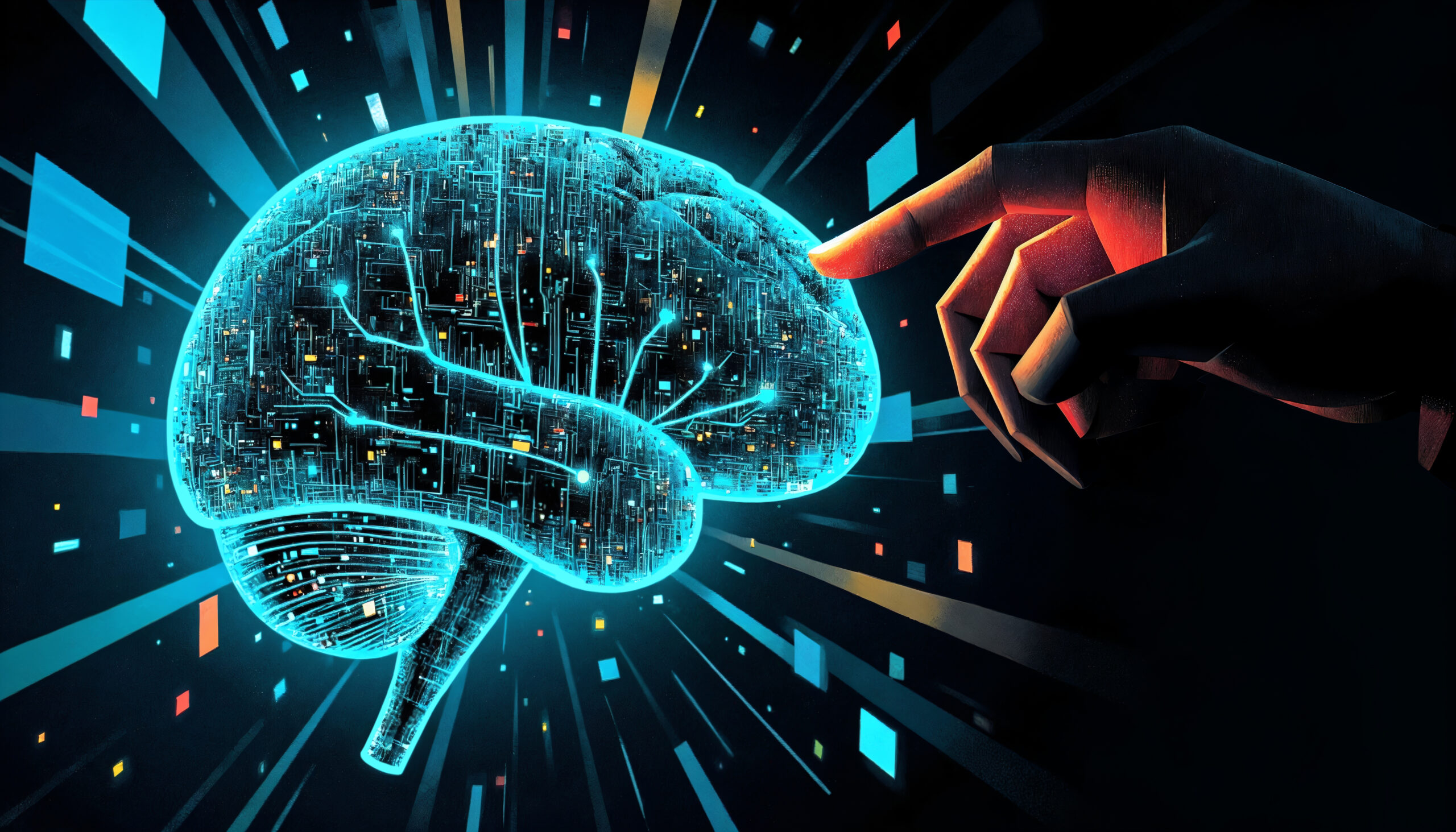
In today’s rapidly evolving digital landscape, businesses are no longer relying solely on traditional analytics to understand consumer behavior. Instead, they are embracing Neuro Marketing in 2026, a revolutionary approach that taps directly into the human brain to create more effective and emotionally resonant advertising campaigns. To successfully implement these advanced strategies, many brands rely on professional digital marketing services that help bridge the gap between innovation and real-world performance.
Table of Contents
What is Neuro Marketing
Neuro Marketing in 2026 refers to the use of neuroscience techniques such as eye tracking, EEG (electroencephalogram), and biometric analysis to understand how consumers react to marketing stimuli. Unlike traditional marketing methods that depend on surface-level data like clicks and impressions, this approach focuses on subconscious thoughts, emotions, and decision-making patterns.
This allows brands to move beyond assumptions and gain deeper insights into what truly influences consumer behavior.
Why Brain-Driven Ads Are More Effective
Traditional data-driven marketing tells you what users are doing—but it often fails to explain why. This is where Neuro Marketing in 2026 stands out.
By analyzing brain activity and emotional responses, marketers can create ads that connect on a deeper psychological level. These ads are more engaging, memorable, and persuasive because they are built around human emotions rather than just statistics.
Key benefits include:
-
- Stronger emotional engagement
- Higher conversion rates
- Better ad recall
- Reduced marketing waste
According to insights from Harvard Business Review, emotionally connected customers are significantly more valuable, proving that emotional intelligence in marketing is a game-changer.
Technologies Powering Neuro-Marketing
The rise of Neuro Marketing in 2026 is driven by advanced technologies that provide real-time insights into the human brain:
- Eye-Tracking Technology
Tracks where users focus their attention, helping optimize layouts and ad placements. - EEG & Brain Imaging
Measures neural activity to understand engagement and emotional reactions. - Facial Expression Analysis
AI tools decode facial movements to identify emotions like happiness, confusion, or excitement. - Biometric Sensors
Track heart rate and skin responses to measure emotional intensity.
Organizations such as the Neuromarketing Science & Business Association are setting standards and promoting responsible use of these technologies.
Neuro-Marketing vs Data-Driven Marketing
While both approaches aim to improve marketing performance, Neuro Marketing in 2026 offers a deeper layer of understanding.
| Aspect | Data-Driven Marketing | Neuro-Marketing |
|---|---|---|
| Focus | User behavior | Emotional response |
| Data Source | Clicks, views, demographics | Brain signals & biometrics |
| Insight Depth | Surface-level | Deep psychological |
| Predictive Power | Moderate | High |
With increasing privacy restrictions and the decline of third-party cookies, traditional data-driven strategies are becoming less effective. This shift makes Neuro Marketing in 2026 even more valuable for future-focused brands.
Real-World Applications
Businesses across industries are already adopting Neuro Marketing in 2026 to gain a competitive edge:
-
- Ad Testing: Measuring emotional response before campaign launch
- Product Packaging: Designing visuals that subconsciously attract buyers
- Website Optimization: Improving user experience based on attention patterns
- Content Strategy: Creating emotionally engaging storytelling
Research from Nielsen shows that emotionally engaging ads outperform purely informational ones, leading to higher ROI.
Ethical Considerations
While Neuro Marketing in 2026 offers powerful insights, it also raises ethical concerns. Understanding subconscious behavior must be handled with responsibility.
Brands should focus on:
-
- Transparency in data usage
- Clear user consent
- Ethical boundaries in influence
Maintaining consumer trust is critical for long-term success.
The Future of Advertising
The future of marketing lies in emotional intelligence. Neuro Marketing in 2026 is not just a passing trend—it represents a major shift in how brands communicate with their audiences.
As technology continues to evolve, we can expect:
-
- Hyper-personalized ad experiences
- Real-time emotional targeting
- Smarter AI-driven campaigns
Platforms like Think with Google emphasize understanding user intent, but neuro-marketing takes it further by decoding subconscious intent.
In a world overloaded with content, capturing attention alone is not enough. Brands must create meaningful emotional connections to stand out. Neuro Marketing in 2026 enables businesses to do exactly that by combining neuroscience with marketing strategy.
By adopting this innovative approach, companies can move beyond traditional data and create campaigns that truly resonate with their audience. Those who embrace this shift early will not only improve performance but also build stronger, more lasting relationships with their customers.

Rinu Ann George
Rinu Ann George is an SEO Analyst at Upgraderz, specializing in search engine optimization, content strategy, and digital visibility.