
Future Proof Website Design Trends for 2026 and Beyond

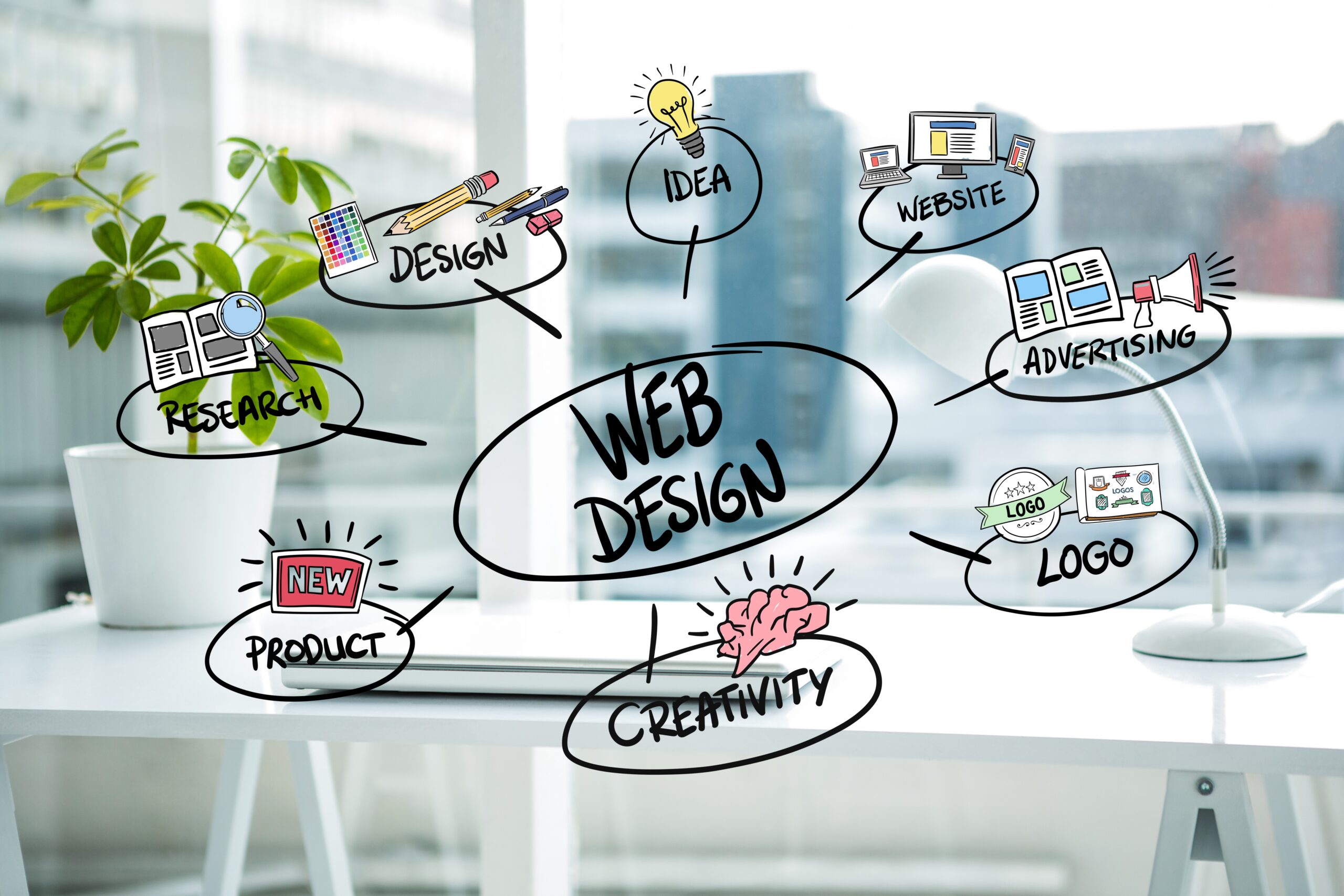
The digital landscape is evolving rapidly, and businesses must stay ahead to remain competitive. Investing in modern web strategies is no longer optional—it’s essential. If you’re planning to upgrade your website, explore professional services like web designing services to get started. Understanding Future Proof Website Design Trends will help you build a website that remains relevant, user-friendly, and high-performing for years to come.
Studies show that 94% of first impressions are design-related, and users often judge credibility based on website appearance alone . This highlights why adopting the right trends is crucial for long-term success.
Table of Contents
AI-Driven Personalization
Artificial Intelligence is transforming websites into intelligent platforms. Modern websites can now adapt content, layout, and user journeys based on visitor behavior. AI-powered personalization improves engagement and conversion rates significantly, with many businesses already seeing measurable results .
Adopting AI is a key part of Future Proof Website Design Trends, allowing websites to deliver unique experiences tailored to each user.
Performance-First Design
Speed and performance are non-negotiable in 2026. Users expect websites to load within seconds, and even a slight delay can lead to higher bounce rates. Research shows that over 50% of users leave if a page takes more than 3 seconds to load .
Performance optimization—through faster hosting, optimized images, and efficient coding—is a core aspect of Future Proof Website Design Trends, ensuring better SEO rankings and user satisfaction.
Immersive and Interactive Experiences
Web design is becoming more dynamic with the integration of 3D visuals, animations, and interactive elements. These features enhance user engagement and make websites more memorable.
In 2026, immersive experiences are no longer limited to large brands. Even small businesses can implement interactive features to create impactful digital experiences, aligning with Future Proof Website Design Trends.
Minimalism with Purpose
Minimalism continues to evolve into a more purposeful design approach. Instead of focusing on empty space alone, modern minimalism emphasizes clarity, usability, and content hierarchy.
Clean layouts help users navigate easily and focus on what matters most. This approach supports Future Proof Website Design Trends, ensuring that websites remain simple yet effective.
Mobile-First and Multi-Device Optimization
With over 60% of web traffic coming from mobile devices, designing for mobile users is critical . However, the future goes beyond mobile-first design—it’s about multi-device adaptability.
Websites must function seamlessly across smartphones, tablets, wearables, and even smart TVs. This adaptability is a fundamental part of Future Proof Website Design Trends.
Accessibility and Inclusive Design
Accessibility is no longer optional—it’s a necessity. Websites must cater to users of all abilities, including those with visual, auditory, or motor impairments.
Implementing features like screen reader compatibility, proper color contrast, and keyboard navigation ensures inclusivity. Inclusive design is a crucial component of Future Proof Website Design Trends, helping businesses reach a wider audience while complying with global standards.
Human-Centric and Emotional Design
As AI becomes more prevalent, there is a growing shift toward human-centered design. Websites are moving away from generic templates and focusing on personality, warmth, and authenticity.
Design elements like custom illustrations, organic shapes, and expressive typography help create emotional connections with users (interaction-design.org). This human touch is what makes Future Proof Website Design Trends truly sustainable in the long run.
Micro-Interactions and Smart Animations
Micro-interactions—such as button hover effects and subtle animations—enhance user experience without overwhelming visitors. These small details guide users and provide feedback, making navigation intuitive.
When used correctly, micro-interactions improve usability and engagement, making them an essential part of modern web design strategies.
Sustainability in Web Design
Sustainable web design is gaining importance as businesses become more environmentally conscious. Optimizing websites for lower energy consumption and faster performance reduces their carbon footprint.
Lightweight designs and efficient coding practices contribute to eco-friendly digital experiences, aligning with long-term business and environmental goals.
Voice Search and Conversational Interfaces
With the rise of voice assistants, optimizing websites for voice search is becoming increasingly important. Users now prefer conversational queries, and websites must adapt accordingly.
Structuring content in a natural, question-based format ensures better visibility in voice search results, making it a key element of Future Proof Website Design Trends.
The future of web design is centered around innovation, user experience, and adaptability. Businesses that embrace Future Proof Website Design Trends can create websites that not only look great but also perform exceptionally well.
From AI-driven personalization and immersive experiences to accessibility and sustainability, these trends define the next generation of websites. By implementing these strategies today, you ensure your digital presence remains competitive, relevant, and impactful well beyond 2026.

Rinu Ann George
Rinu Ann George is an SEO Analyst at Upgraderz, specializing in search engine optimization, content strategy, and digital visibility.